
⭐ ⭐ ⭐ ⭐ ⭐ 5.0 on Google · Trusted by 200+ businesses
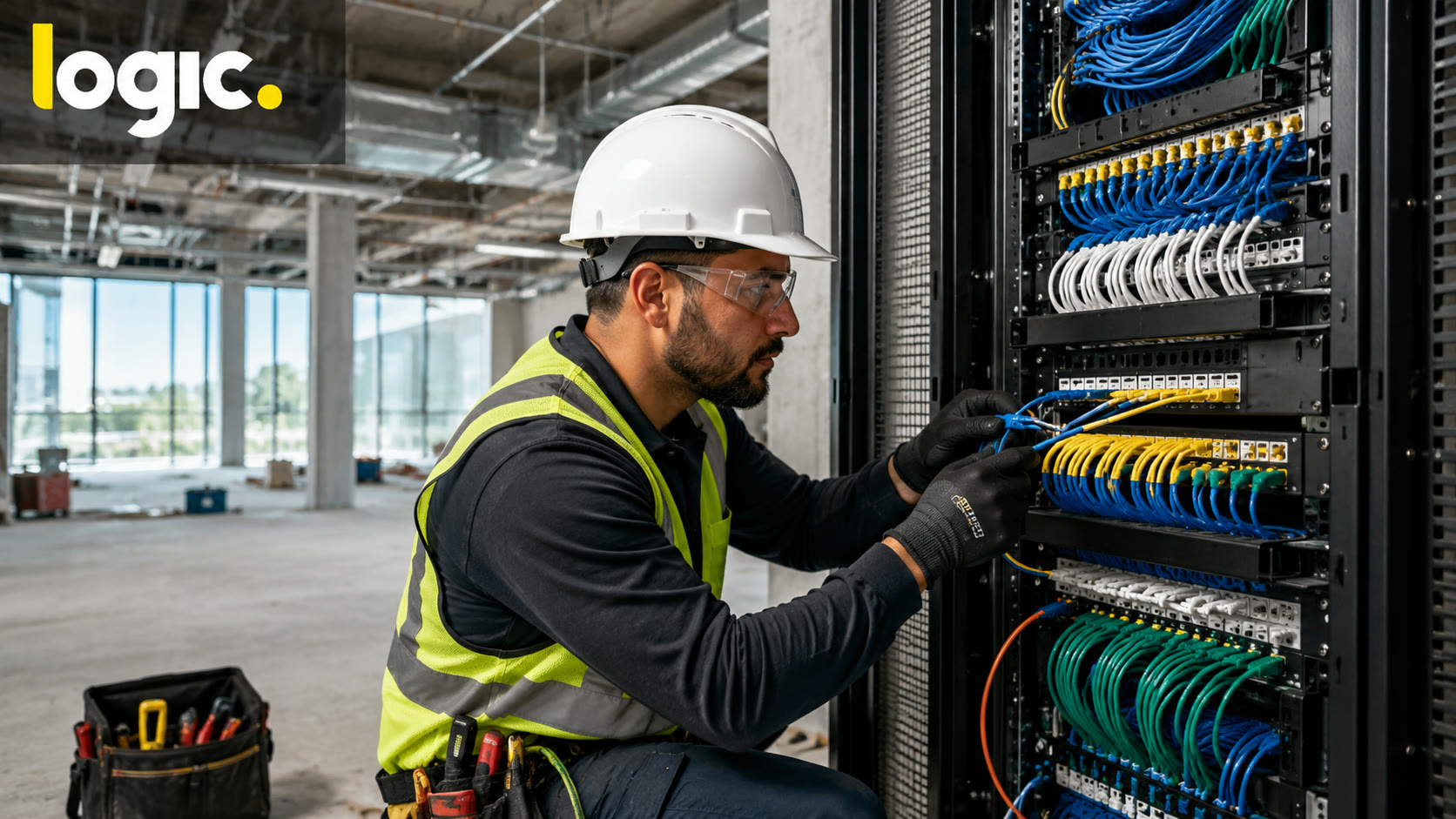
Logic LC installs singlemode and multimode fiber for commercial buildings across the Philadelphia area. We pull the backbone between your main and secondary network closets, splice and terminate it, test it and label it, then hand your IT team records they can actually use.
Fiber is rarely a job on its own. The same crew can run the copper, build out the racks and install the cameras, access points and door controllers that depend on the link. That means one schedule and one point of contact.
CAT5e, CAT6 and CAT6A Ethernet all share the same limit: about 100 meters, or 328 feet, for the whole channel, patch cords included. When a closet, a far wall in a warehouse or another floor is farther than that, we will tell you. Fiber is often the answer. Sometimes an intermediate network enclosure or another engineered solution makes more sense, and we will say so.
Our FAQ covers Ethernet distance limits in more detail.
Singlemode fiber has a smaller core and is used for long-distance, high-bandwidth links. Multimode fiber has a larger core and is common for shorter runs inside a building, across a campus or in a data center.
The right choice depends on four things: how far the link runs, how fast it needs to be, the equipment already on each end, and the connectors that equipment uses. We also look at where the building is headed. An expandable fiber backbone with spare strands costs far less to plan now than to add after the ceilings close.
Bring us what you know: floor plans, the switch models on each end and where you expect to grow. We will recommend the fiber type and strand count and explain why.
We fusion splice and terminate singlemode and multimode fiber, then test the finished links. Cables are labeled at both ends with a consistent identification system unless your spec calls for something different. When the scope includes it, you get test results, photographs, cable schedules, port information and closeout documentation, all tied to the labels on the cable.
Already have fiber that is causing trouble? We trace, test, troubleshoot and repair existing singlemode and multimode runs. That includes finding damaged cable, bad terminations and connections nobody documented.
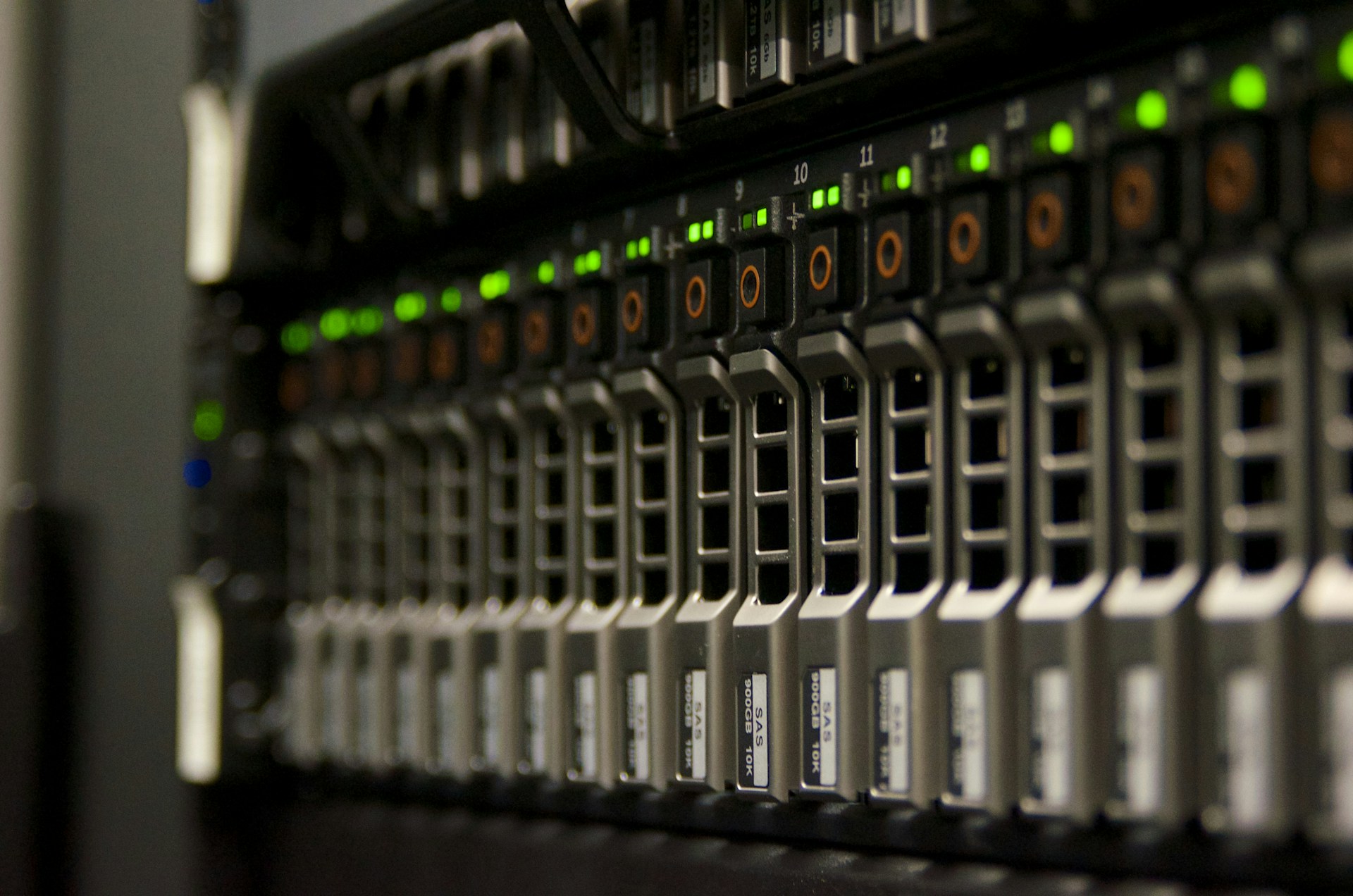










Based in Essington, we install fiber for offices, warehouses, manufacturing plants, schools, healthcare facilities and data centers throughout Philadelphia, Pennsylvania, New Jersey and Delaware. For organizations with sites in other states, we deploy network infrastructure and cabling across the lower 48.
Fiber backbones and long runs planned around your distances, equipment and growth, from a single link to a full campus.
Singlemode fiber has a smaller core and is used for long-distance, high-bandwidth links. Multimode has a larger core and is common for shorter runs inside buildings, across campuses and in data centers. We recommend one based on distance, speed, existing equipment, connector type and future plans.
OM3 and OM4 are both laser-optimized multimode grades. OM4 supports longer distances at the same speed, so it gives more headroom on longer runs. We look at the link length, the speeds your switches use and your growth plans before recommending one, and we will tell you if singlemode is the better fit.
Yes. We fusion splice, terminate, test, troubleshoot and repair singlemode and multimode fiber. Test results and closeout documentation are provided when they are included in the project scope.
Yes. We trace, test and troubleshoot existing copper and fiber, and locate damaged cables, incorrect terminations and unidentified connections. Then we repair or replace what is needed.
Evening, overnight and weekend work may be available when you need to limit disruption. Tell us during planning so it is built into the schedule and the price.